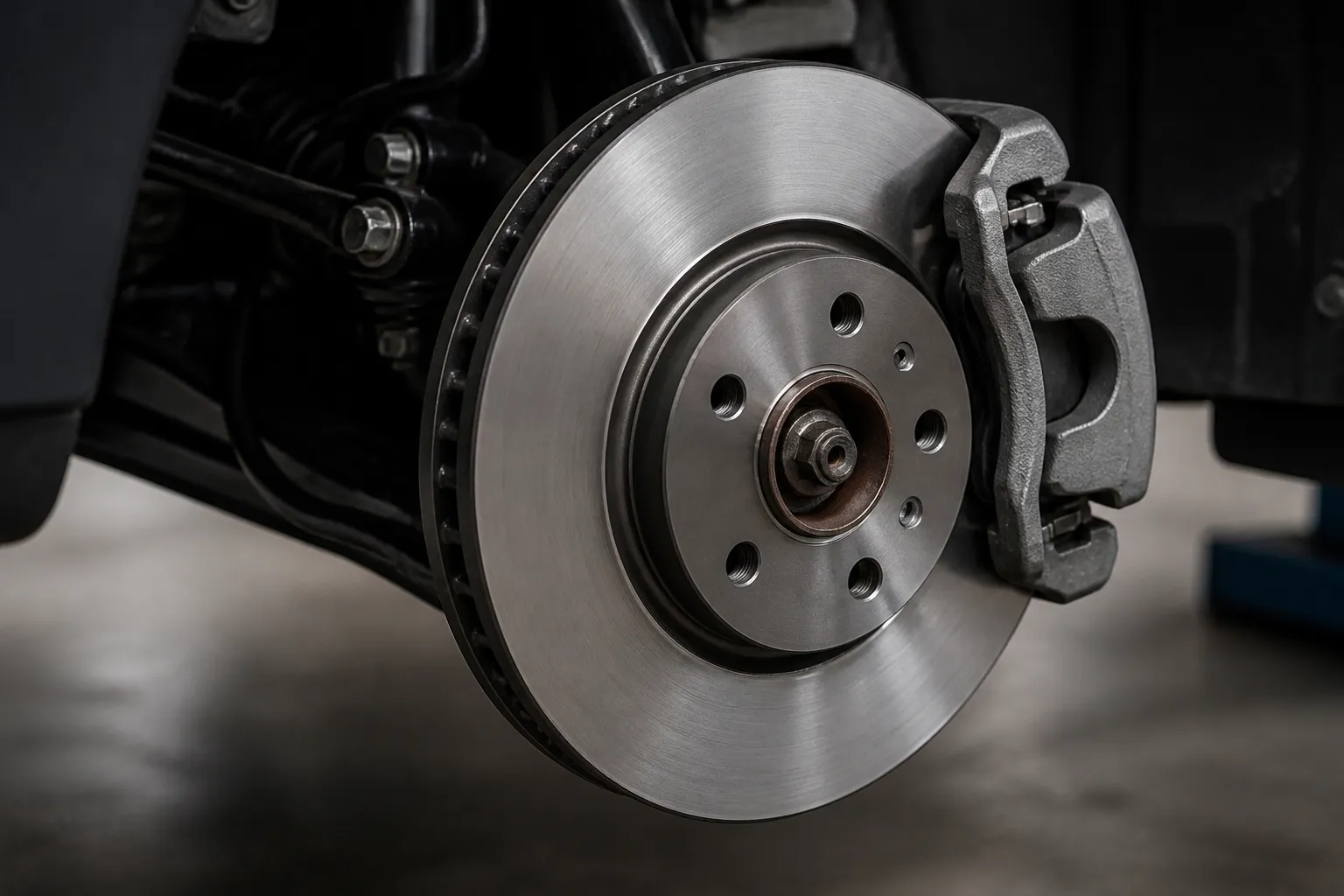
If your brakes are squeaking, pulling, or feeling softer than usual, it is time to take the signs seriously. A brake issue often starts small, then turns into longer stopping distances, uneven wear, or a pedal that does not feel right when you need it most.
Curbside Brakes & Oil brings brake inspections to Troutman, so you can have a technician check the system at your home, workplace, or another approved location. We make it simple to schedule service, look over the parts that matter, and help you decide what needs attention next.
Brake problems do not always show up all at once. Many drivers notice one small change, then another, before the issue becomes hard to ignore. A careful inspection can help sort out whether the concern is pads, rotors, fluid, hardware, or a related condition.
If any of these sound familiar, it is worth having the system checked before the next drive becomes more stressful than it should be.
When you schedule a brake inspection with Curbside Brakes & Oil, we look at the parts that affect stopping performance and everyday safety. The goal is not to guess. It is to examine the system and identify what is wearing, what needs service, and what can likely wait.
Brake pads and rotors do the hard work every time you stop. We check pad thickness, surface condition, and signs of uneven wear. Rotors are also reviewed for scoring, warping, or other surface problems that can cause noise or vibration.
Brake fluid condition matters, as does the supporting hardware that helps the system move and release as intended. We look for signs that the fluid or related components need attention, and we check the hardware that keeps the brake assembly working as designed.
Pedal response tells a lot about the system. If the pedal feels soft, spongy, high, or low, that feedback helps point us toward the source of the concern. We use that information along with the visual inspection to give you a clear next step.
Mobile brake inspection is meant to save you a trip across town without turning the process into a hassle. Once your appointment is set, we come to the location you choose and perform the inspection on site.
You contact us with the details of your vehicle and the brake concern, if there is one.
We set a time that works for your day and confirm the service details before arrival.
We review the brake system where the vehicle is parked and check the condition of the parts that matter most.
After the inspection, we explain what we found and talk through any follow-up brake service that may be needed.
This approach works well for drivers who want a straightforward visit without waiting around a repair shop.
Brake wear often develops gradually, which makes it easy to overlook until the symptoms become more obvious. A timely inspection can help you catch worn pads before they damage rotors, or spot a fluid or hardware issue before it becomes more annoying to drive with.
There is also peace of mind in knowing where things stand. Even if your brakes still seem usable, a closer look can tell you whether the system is wearing evenly or whether one side is taking more stress than the other. That kind of information helps you plan ahead instead of reacting to a bigger problem later.
Some brake symptoms point to wear, while others suggest a deeper problem. If the feel of the brake pedal changes quickly, or the vehicle behavior changes during stops, it is a good reason to arrange an inspection soon.
These signs do not always mean a major repair, but they do mean the system deserves a careful look.
Brake inspections do not need to interrupt your whole day. With mobile service, you can keep your vehicle at home or at work and have the inspection done where the vehicle already is. That makes it easier to fit maintenance into a busy schedule without adding extra travel or waiting room time.
Curbside Brakes & Oil serves Troutman and nearby areas such as Mooresville and Statesville, giving local drivers a more convenient way to keep up with brake condition and general vehicle care. If your brakes need attention, the process stays simple from the first call to the final conversation about what comes next.
Not every inspection leads to the same outcome. Some vehicles need only monitoring for the next service interval, while others may need brake service soon because wear is already advanced. The useful part is having a clear picture instead of guessing based on sound or feel alone.
After the inspection, we explain the condition of the system in plain language. If the pads are worn, if the rotors show signs of damage, or if another brake component is affecting performance, you will know what was found and why it matters. That makes it easier to decide how to move forward.
If you are hearing a new squeak, feeling a pulse through the pedal, or simply want a brake check before the next stretch of driving, Curbside Brakes & Oil is ready to help. We schedule service in advance and come to your location with a focus on clear communication and practical next steps.
To arrange a brake inspection in Troutman, contact us at +17043685541 or email info@CurbsideBrakesandOil.com. Our shop address is 190 Crosstie Ln, Troutman, NC 28166, USA, and our regular hours run Monday through Saturday from 7:00 AM to 6:00 PM.
Any change in brake noise, pedal feel, stopping distance, or vehicle pull is worth checking. Even a small change can point to wear that should be reviewed sooner rather than later.
Yes. A brake system can still work while parts are wearing unevenly or nearing the point where service is needed. An inspection helps you understand the condition before it becomes more obvious.
Yes, as long as the location is approved for the appointment. Our service is mobile, so we come to the vehicle instead of asking you to drive somewhere first.
We look at pad wear, rotor condition, fluid condition, and related hardware, along with how the brake pedal feels during operation. That combination gives a clearer view of overall brake condition.
Squealing, grinding, or vibration during braking often points to the brake system, but the exact cause can vary. An inspection helps identify whether the sound is coming from pad wear, rotor condition, or another part of the system.
Yes. If you want added confidence before a longer trip, a brake inspection can confirm whether the system is ready or whether attention is needed first.
Book Your Visit
Tell us what your vehicle needs and where you want the service completed. We will help set up a convenient appointment and handle the work on site when possible.